|
|
|
01 |
Crossfire |
|
|
|
03:57 |
|
|
02 |
Fylingdale Flyer |
|
|
|
04:35 |
|
|
03 |
Working John, Working Joe |
|
|
|
05:04 |
|
|
04 |
Black Sunday |
|
|
|
06:35 |
|
|
05 |
Protect And Survive |
|
|
|
03:36 |
|
|
06 |
Batteries Not Included |
|
|
|
03:52 |
|
|
07 |
Uniform |
|
|
|
03:34 |
|
|
08 |
4.W.D. (Low Ratio) |
|
|
|
03:42 |
|
|
09 |
The Pine Marten's Jig |
|
|
|
03:28 |
|
|
10 |
And Further On |
|
|
|
04:23 |
|
|
|
| Verpakking |
Jewel Case |
| SPARS |
DDD |
| Geluid |
Stereo |
|
|
|
| Tekstschrijver |
Ian Anderson |
|
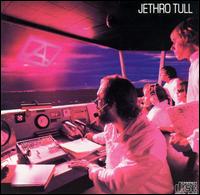
Originally solo album of Ian Anderson published as a Jethro Tull album. Date of US Release March 23, 2004 Gone are the longtime Anderson images of the vagabond/sage (the group is clad in white jumpsuits on the cover) - also gone are the historical immersion of their music and anything resembling Dickensian, much less Elizabethan sensibilities. And nearly gone was Jethro Tull itself, for A started life as an Ian Anderson solo project but ended up as a Jethro Tull release, probably for commercial reasons. The difference is probably too subtle for most people to comprehend anyway. It is more reflective than Tull's usual work, but lacks the sudden, loud hard rock explosions that punctuate most of the group's albums. The death of bassist John Glascock in late 1979, and the departure of Anderson's longtime friend John Evans after the release of Stormwatch, as well as the exit of arranger/keyboard player David Palmer, led to some major lineup shifts; Fairport Convention's Dave Pegg's taking over Glascock's spot and the addition of Eddie Jobson, ex-Roxy Music/King Crimson violinist/keyboardman all seem to have removed some of Anderson's impetus, at least for a time, for keeping the group going in the studio. What finally emerged is the first Tull record not to feature Anderson's acoustic guitar, yet it also has a more balanced sound than any of their prior records. Jobson's arrangements are leaner and more muscular than Palmer's, giving the music a stripped-down sound, a sort of hard folk-rock (reminiscent of Steeleye Span's All Around My Hat), augmented by synthesizer and electric violin; this somewhat updated Anderson's music and moved him into the art rock category. Released in the midst of the punk/new wave boom in the United States, it didn't do too much for anyone's career, although it probably maintained Anderson's credibility better than any traditional Tull album would have.