|
|
|
01 |
Give up Your Guns |
|
|
|
02:45 |
|
|
02 |
Castles |
|
|
|
02:51 |
|
|
03 |
Sunny Days |
|
|
|
|
|
|
04 |
Memories |
|
|
|
|
|
|
05 |
Prince of Thieves |
|
|
|
|
|
|
06 |
Timothy |
|
|
|
|
|
|
07 |
Tell Me Heaven Is Here |
|
|
|
|
|
|
08 |
Bloodknot |
|
|
|
|
|
|
09 |
Tomorrow |
|
|
|
|
|
|
10 |
Absent Friend |
|
|
|
|
|
|
|
| Cat. nummer |
WN 7 |
| UPC (streepjescode) |
090431051344 |
| Verpakking |
Jewel Case |
| SPARS |
DDD |
| Geluid |
Stereo |
|
|
|
|
This was written by Rupert Holmes, who in addition to his hit "Escape (The Pina Colada Song)," has written a novel called Where The Truth Lies, an Emmy-winning TV series called Remember WENN, and several plays, including The Mystery Of Edwin Drood, which won 5 Tony awards.
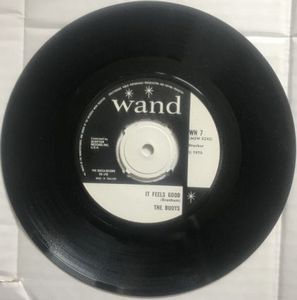
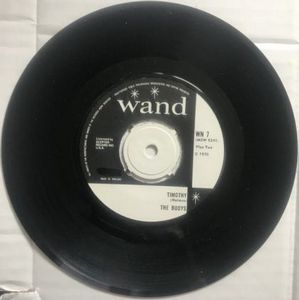
Rupert was 20 years old and had been in the record business for about a year. He was struggling and willing to do just about anything in the music business. He arranged the Charlie Pride song folio, wrote lead sheets for The 5 Blind Boys Of Alabama, wrote the marching band arrangement for "Jingle Bell Rock" and the high school arrangement of "Oye Como Va" by Santana. He was the voice of studio groups and wrote shampoo commercials for Dorothy Hamill. His friend, Michael Wright, was a junior engineer at Scepter Records recording studio, which was at 254 W. 54th, in the same building that Studio 54 was later in. Michael had the keys to a recording studio on the weekend when it wasn't in use and would go in and record songs with Rupert. He found a group out of Wilkes-Barre, Pennsylvania named The Buoys, and somehow Scepter Records, which was the label of Dionne Warwick and BJ Thomas, agreed to release one single that they would record. Michael knew the label would not promote the song, but wanted to make the most of the opportunity. Rupert suggested they record a song that would get banned. That way, there would at least be some controversy about the group and another label might sign them and promote them. So Rupert tried to write a song that would get banned.
Holmes: "At the time, I was working on an arrangement of '16 Tons,' the Tennessee Ernie Ford hit from the '50s, for an artist named Andy Kim. While I was working on the arrangement, there was a cooking show on the TV in the kitchen. It was called The Galloping Gourmet with Graham Kerr. It's on in the background and I'm singing the lyrics to '16 Tons,' playing it to a kind of vamp sort of like 'Proud Mary,' and I sing 'Some people say a man is made out of mud, a coal man's made out of muscle and blood. Muscle and blood and skin and bones, a mind that's weak and a back that's...' and I think, you know, that almost sounds like a recipe - muscle and blood and skin and bones, bake in a moderate oven for 2 hours, top with Miracle Whip. I had seen the movie Suddenly Last Summer about a week earlier on TV, and it had a revelation about cannibalism in it, and I thought, If it's good enough for Tennessee Williams, it's good enough for The Buoys. So I thought, Cannibalism during a mining disaster, that'll get banned. It's not like I'm really telling people to go out and eat someone, this is just this dark, horrible thing that happened in this story. So I write this lyric: 'Timothy, Timothy, where on earth did you go?' It's about three boys who are trapped in a mine with water but no food for maybe a week. When they're pulled free, they don't remember what happened, but they know they're not hungry. One of them is missing, and that's Timothy. We record this on the weekend and I don't think about it again."